
Street Confrontations in Britain Reflect a Deeper Debate Over Identity, Immigration and Political Trust — A viral video showing a tense confrontation in central London has reignited a familiar national argument about immigration, social cohesion and the role of political leadership in managing cultural tensions across modern Britain.
In recent weeks, a short video circulating widely on social media has captured a tense street confrontation in London, where a man identified online as activist Danny Tommo stands face-to-face with a small crowd during what appears to be a heated political dispute. The footage, shared widely across online platforms, has become a lightning rod for broader conversations about immigration, national identity and political accountability in modern Britain.
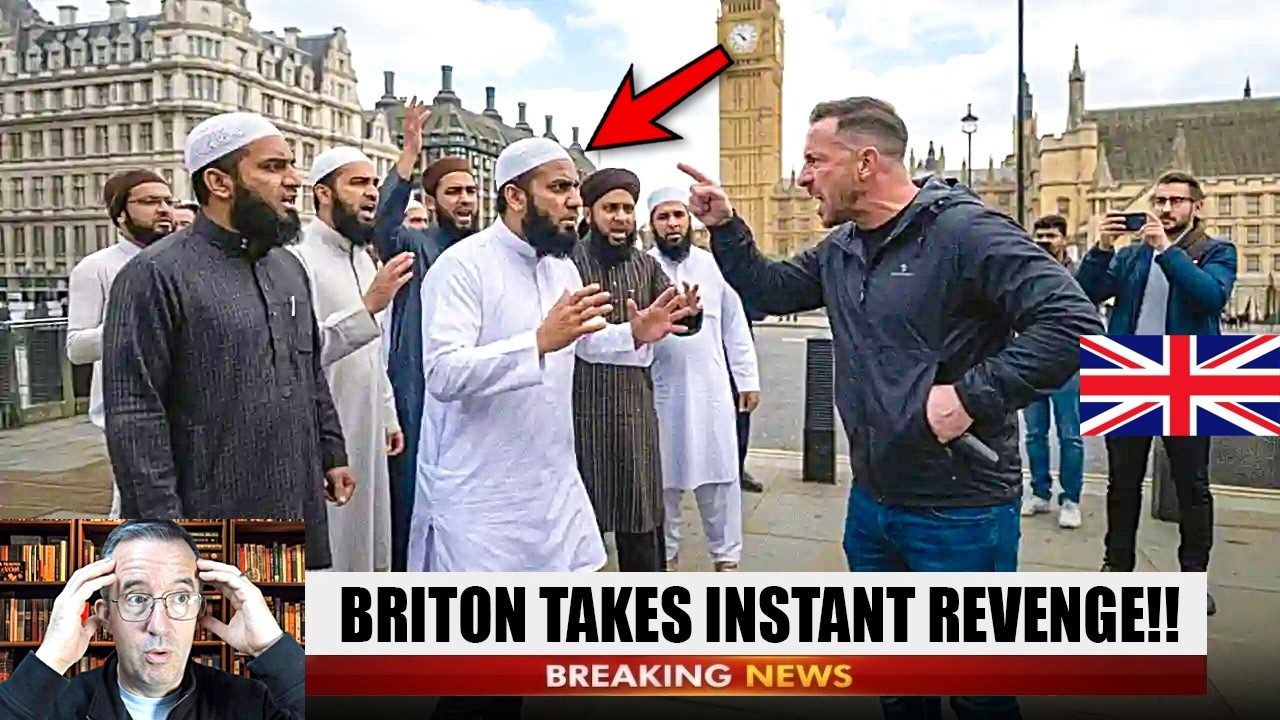
While the brief exchange itself lasts only moments, its symbolism has been amplified by commentators who argue that the incident reflects a deeper unease within parts of the country. Supporters portray the confrontation as an example of an individual standing his ground amid ideological conflict. Critics say it represents the growing influence of inflammatory rhetoric that risks worsening divisions in an already polarized environment.
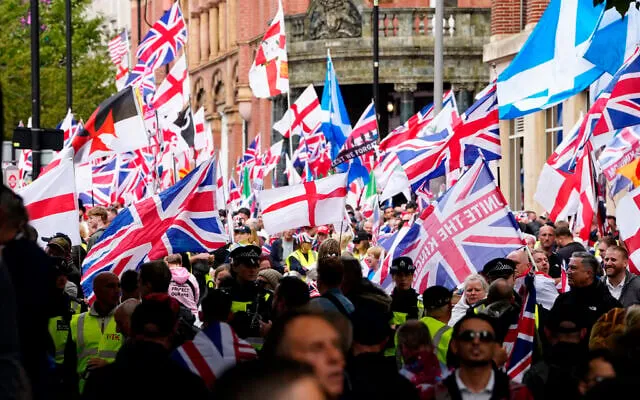
Scenes like these, whether isolated or representative, have become increasingly visible in major cities such as London and Manchester. Demonstrations tied to international events, immigration policy, and domestic politics have occasionally spilled onto British streets, sometimes bringing together groups with sharply opposing views.
Analysts say such confrontations cannot be understood in isolation. Britain, like many Western democracies, has experienced a decade of intense debate about immigration levels, integration, and the pace of demographic and cultural change. These conversations intensified following the country’s decision to leave the European Union in 2016 and have continued to shape political discourse ever since.
At the same time, global conflicts increasingly reverberate within Britain’s multicultural society. Events in the Middle East, including tensions connected to Iran, frequently trigger protests or counter-protests in British cities. For authorities, balancing the rights to free speech and peaceful assembly while preventing escalation has become a delicate task.
The video also revived online discussion about the historical foundations of Britain’s political system. Some commentators referenced the English Bill of Rights 1689, a cornerstone document in British constitutional history. Written after the Glorious Revolution, the measure limited the powers of the monarchy and helped establish parliamentary sovereignty, while also addressing questions of foreign influence in English governance.
Scholars caution, however, that drawing direct connections between centuries-old constitutional provisions and today’s debates over immigration or religious identity can be misleading. The 1689 settlement was primarily concerned with the relationship between Parliament and the Crown, as well as conflicts between Protestant and Catholic authority during a very different political era.
Still, references to historic legal traditions have become common in modern political arguments. For many activists across the ideological spectrum, invoking constitutional heritage serves as a way to frame contemporary issues within a broader narrative about national sovereignty and democratic accountability.
Political leaders in Britain have struggled to navigate these debates. Some lawmakers have focused on combating discrimination and protecting minority communities from hate crimes, while others have emphasized concerns about social integration, border policy and public confidence in immigration systems.
Public opinion itself remains complex. Surveys regularly show that many Britons support immigration in principle and recognize its economic contributions, particularly in sectors such as healthcare and technology. At the same time, significant portions of the electorate express concern about the speed of demographic change, pressures on housing and public services, and the perceived erosion of local cultural traditions.
These competing sentiments often collide in the highly emotional arena of social media, where short clips and provocative headlines can travel far faster than careful analysis. What begins as a brief confrontation between individuals can quickly be framed as evidence of national crisis—or dismissed entirely as fringe theater.
For law enforcement officials, the priority remains preventing isolated disputes from escalating into wider violence. British police forces have increasingly relied on rapid deployment units and crowd-management strategies designed to de-escalate tensions before they spiral out of control.
Yet the deeper questions raised by incidents like the one in London are unlikely to disappear soon. Britain today is one of the most ethnically and religiously diverse societies in Europe, and the process of negotiating how that diversity fits within a shared national identity continues to shape political life.
Whether moments of confrontation remain rare or become more frequent may depend less on individual activists and more on the tone set by political leaders, the strength of local institutions and the willingness of communities to engage with one another beyond the heated confines of online debate.


