
The controversial data has sparked fierce debate over immigration policy, fairness, and whether the system is being stretched beyond its original purpose.
 SHOCK FIGURES REVEALED

According to newly released data, nearly 3,500 visas have been issued to individuals from 112 different countries under Ukrainian refugee schemes — despite the programmes being created to support those fleeing Russia’s invasion of Ukraine.
These include applicants from countries such as Iran, Iraq, Afghanistan, India, Nigeria, and the Palestinian territories — raising eyebrows among critics who say the system is being used in unexpected ways.
 In total, non-Ukrainians now account for roughly 1 in every 80 visas granted under the scheme.
 WHO IS ENTERING THE UK?
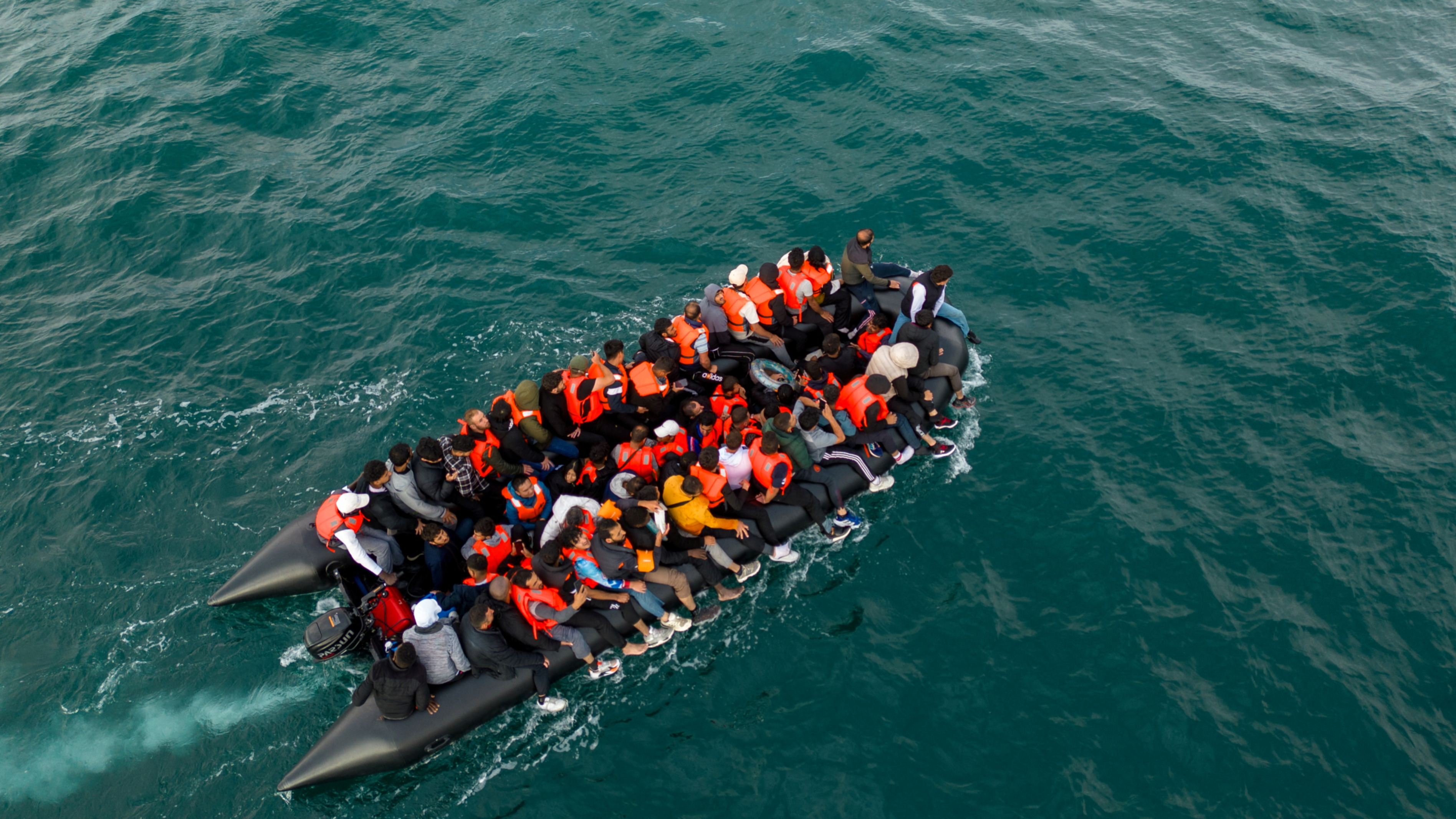
The figures show a wide range of nationalities benefiting from the scheme.
Among the largest groups:
- Russians: 588
- Nigerians: 408
- Afghans: 294
- Iraqis: 161
- Indians: 124
Smaller numbers have also come from countries including Syria, Libya, Vietnam, Yemen, Chile, and Argentina.
The diversity of applicants has intensified questions about how the scheme is being applied in practice.
 CRITICS SOUND THE ALARM
Critics argue that the programme is drifting away from its original purpose — providing refuge for Ukrainians displaced by war.
They claim that allowing non-Ukrainians to enter under the same route risks undermining public trust and putting additional pressure on already stretched systems.
Some have described the situation as a “loophole” that needs urgent review.
 GOVERNMENT DEFENDS THE POLICY

Officials have pushed back against the criticism, insisting that strict rules are in place.
A Home Office spokesperson stated that the scheme is primarily for Ukrainian nationals, and that non-Ukrainians are only eligible under specific conditions — such as applying as part of a family group that includes a Ukrainian immediate relative.
They also emphasized that: The scheme is temporary It does not lead to permanent settlement It aligns with Ukraine’s desire for citizens to eventually return home
 LEGAL RULINGS ADD TO THE DEBATE
The controversy has been further fueled by legal cases, including a ruling that allowed a Palestinian family fleeing conflict to enter the UK through the Ukrainian visa route.
The case highlighted how human rights laws can intersect with immigration policy — and how exceptional circumstances can lead to unexpected outcomes.
For some critics, it raised concerns that the system could be “stretched” beyond its intended scope.
 A POLICY UNDER PRESSURE
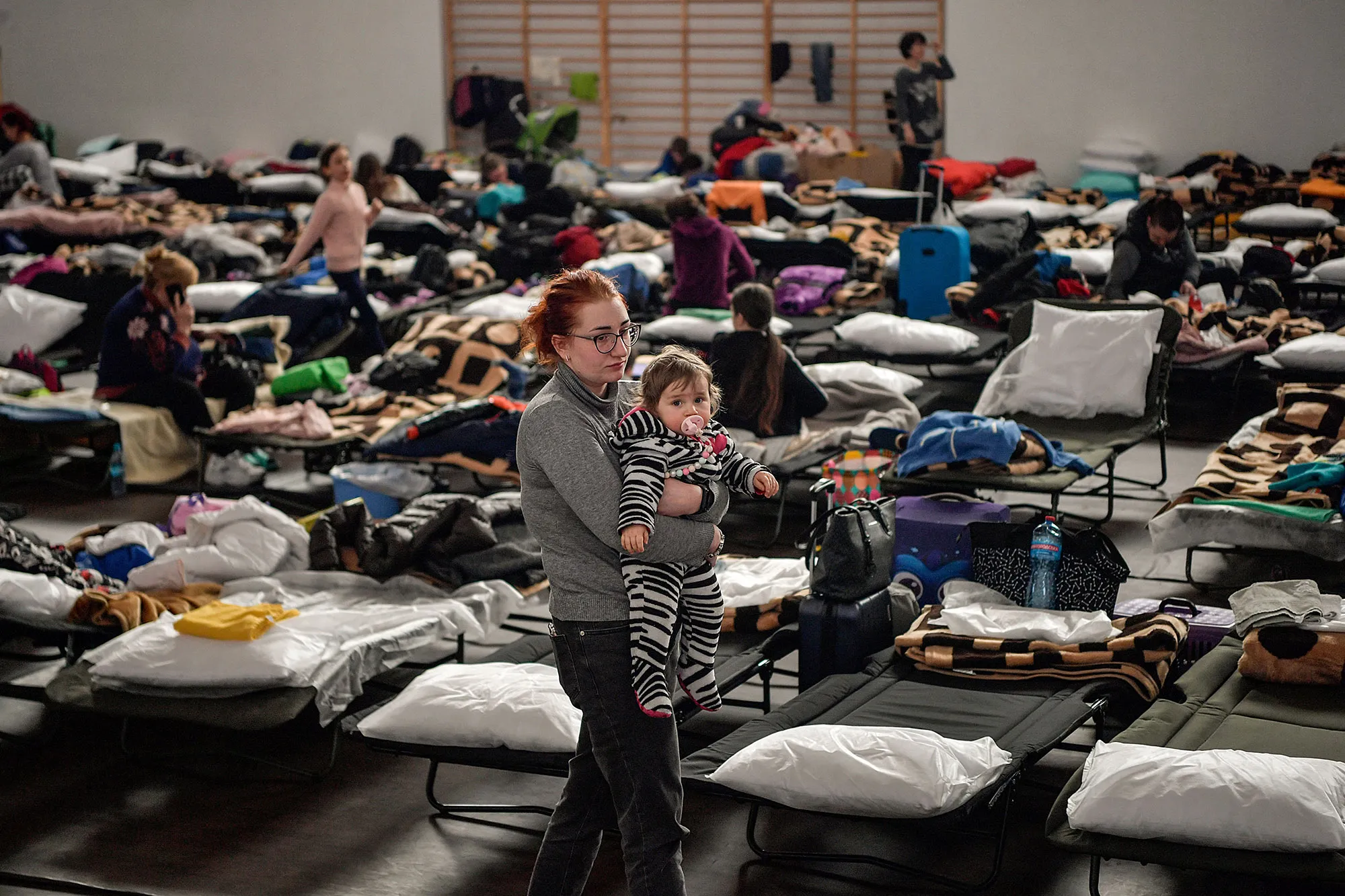
Originally introduced under a previous government, the Ukrainian visa schemes have continued under Labour as the war in Ukraine enters its fifth year.
But with rising numbers and growing scrutiny, pressure is mounting on ministers to clarify — or potentially tighten — the rules.
 FINAL THOUGHT
At its heart, this is a debate about balance.
Compassion vs control Flexibility vs fairness Human need vs policy limits
As the numbers grow and questions intensify, one thing is clear:
This story is far from over — and the decisions made now could shape the future of UK immigration policy for years to come.


