
Public Prayers Block Streets and Ignite Heated Clashes – Is This the Breaking Point for Shared Spaces?
Religious tensions are rising sharply across multiple countries as large-scale public prayers in busy streets and public squares trigger heated confrontations, angry reactions from locals, and a fierce debate over public space, cultural respect, and the rule of law.
Incidents have erupted in major cities from London and Birmingham in the United Kingdom to similar scenes reported in parts of Europe and even some American urban centers.
Viral videos circulating online show hundreds, sometimes thousands, of worshippers gathering for mass prayers that spill onto roads, pavements, and iconic public areas.
In one widely shared clip from London’s Marble Arch, crowds kneel in coordinated prayer, occupying a significant portion of a busy public space.
Similar footage from Birmingham captures large groups performing prayers in parks and streets during peak hours, halting traffic and forcing pedestrians to navigate around them.
What began as expressions of faith has quickly escalated into open conflict.
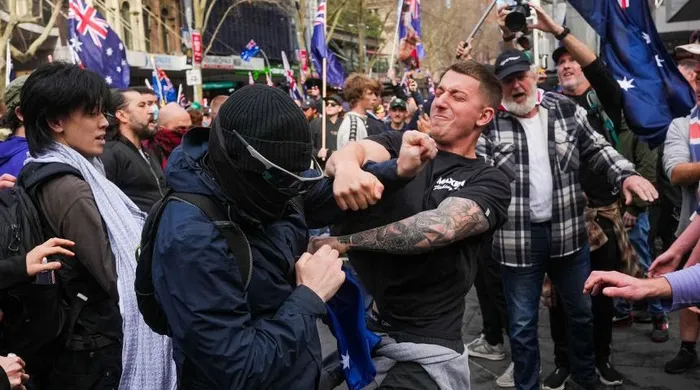
Tensions on the ground have only intensified as frustrated residents, commuters, and business owners voice concerns about disruption to daily life. Some argue that blocking roads and public walkways crosses a line, turning personal expression into a public imposition. Heated verbal exchanges have been reported, with police in several cities forced to step in to separate groups and restore order as tempers flare.
Authorities now face a growing dilemma: how to balance the fundamental right to religious freedom with the need to maintain public safety and shared access to urban spaces. Local governments are under pressure to clarify regulations, with some proposing designated areas for large gatherings, while others warn that strict enforcement could be seen as targeting specific communities and further inflaming divisions.
As the debate escalates, the issue is no longer just about prayer—it has become a flashpoint for broader questions around integration, tolerance, and coexistence in increasingly diverse societies. What was once a moment of collective worship is now a symbol of a deeper societal rift, with no easy resolution in sight.


