
UK Government Faces Scrutiny After Foreign Speakers Barred From Entering Britain Ahead of Tommy Robinson Rally
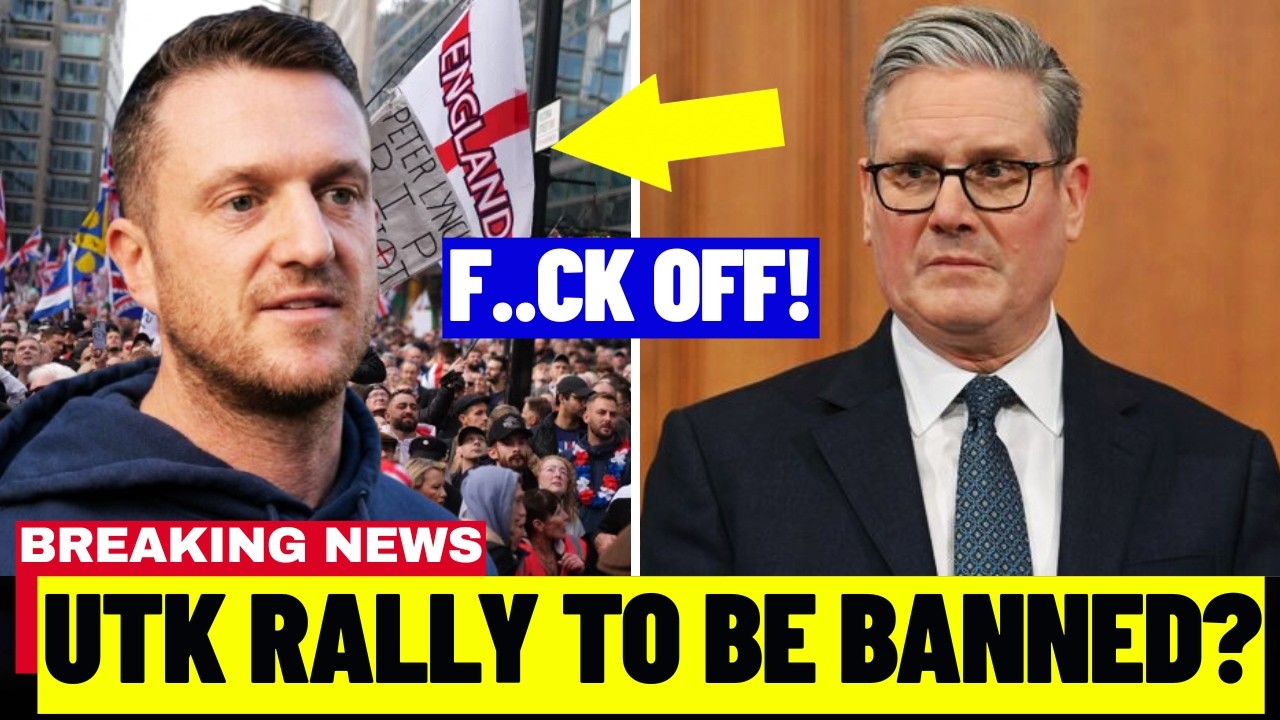
The British government is facing renewed political scrutiny after several foreign political commentators and activists were reportedly denied entry to the United Kingdom shortly before a rally linked to Tommy Robinson scheduled for May 16 in London.
According to statements circulated online by the individuals involved, four foreign nationals who had privately confirmed plans to attend or speak at the event later received notifications revoking their travel authorization. Those affected reportedly included Dutch activist Eva Vlaardingerbroek, American commentator Valentina Gomez, American media personality Joey Mannarino, and Spanish commentator Ada Lluch.
The controversy quickly escalated across British political media, with critics questioning whether immigration enforcement powers were being applied selectively against politically controversial speakers while broader concerns surrounding illegal migration continue to dominate public debate in the United Kingdom.
Several of the individuals affected claimed that they had previously travelled to Britain multiple times without issue. Gomez stated that she had spoken at an earlier United Kingdom rally in September and had subsequently re-entered the country on several occasions before the latest restriction was imposed.

In a public video statement, Gomez argued that the timing of the decision appeared unusual because the travel restriction allegedly arrived shortly after discussions regarding her attendance at the May rally. She claimed that no previous concerns had been raised during earlier visits to Britain despite extensive media coverage surrounding her earlier appearance.
Joey Mannarino similarly stated that he had entered the United Kingdom numerous times over the past decade, including for public speaking engagements. According to Mannarino, his authorization was revoked only days after discussions regarding his participation in the rally allegedly took place privately.
The Home Office language cited in the transcript reportedly stated that the individuals’ presence was considered “not conducive to the public good,” terminology commonly used in British immigration and national security cases involving discretionary entry decisions.
The issue has become politically sensitive because it intersects with wider national debates surrounding border control, immigration policy, and freedom of expression. Critics of the government argued that authorities appeared capable of acting swiftly against foreign political speakers while illegal Channel crossings continue at historically elevated levels.
The transcript repeatedly referenced statistics connected to small boat crossings into the United Kingdom. According to figures cited in the commentary, more than 5,000 individuals had reportedly crossed the Channel in early 2026, following approximately 46,000 crossings during 2025. The comparison was used by commentators to argue that the government’s border enforcement priorities appear inconsistent.
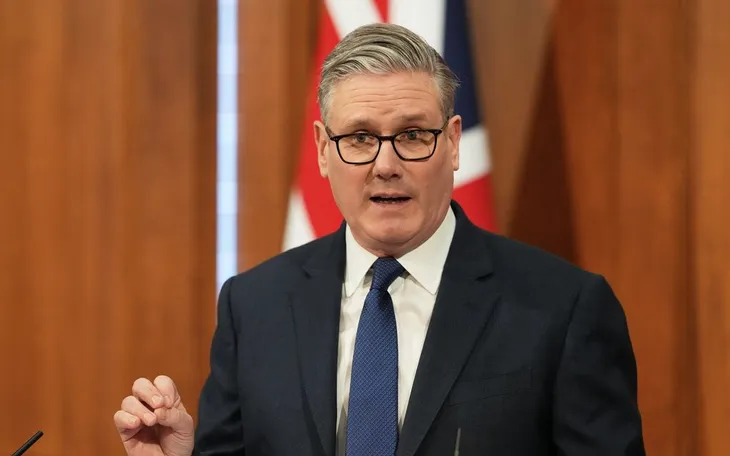
Supporters of the government, however, may argue that immigration law allows the Home Office broad discretionary authority to refuse entry where officials believe an individual’s presence could raise public order or security concerns. The transcript itself does not include any official Home Office explanation beyond the standard wording reportedly provided in the notices.
The debate intensified further after critics linked the controversy directly to Prime Minister Keir Starmer and Justice Secretary Shabana Mahmood. Commentators accused the Labour government of attempting to reduce the political visibility of the rally by restricting high-profile foreign participants associated with conservative or nationalist political movements.
The transcript also highlighted claims that British citizens themselves feel increasingly cautious about political speech. One speaker alleged that certain forms of controversial public commentary in Britain now carry risks of police investigation or legal consequences under hate speech and public order legislation.
Another major theme involved media coverage of the rally itself. Critics argued that some British media outlets have attempted to portray the United Kingdom rally as comparable to highly controversial protest movements connected to the Israel–Palestine conflict. Speakers within the transcript rejected that comparison and described the planned event as a peaceful patriotic gathering involving attendees from different backgrounds.
Reference was also made to broadcaster Trevor Phillips, who was cited in the transcript as having attended a previous rally and allegedly describing participants as ordinary British citizens rather than extremists. The transcript used that observation to support claims that the public image of such events is being politically contested.
At the centre of the controversy is a broader argument about the balance between national security powers and political freedom. Critics contend that excluding foreign commentators from a lawful public rally risks creating the perception that immigration controls are being used for political purposes rather than solely for security considerations.
At the same time, supporters of tighter entry restrictions may argue that the British government retains the sovereign right to determine who may enter the country and that public safety considerations can justify preventive measures even in politically contentious circumstances.
The transcript further reflected wider dissatisfaction among some sections of the British public regarding the current state of governance, migration policy, and trust in Westminster institutions. Commentators repeatedly framed the dispute as symbolic of deeper tensions surrounding national identity, democratic participation, and the limits of acceptable political discourse in Britain.

Despite the intensity of the reaction online, several key questions remain unresolved. No detailed public explanation from the Home Office was included in the transcript, and the broader legal or intelligence basis for the decisions has not been independently verified within the material provided.
As a result, the issue continues to generate debate across political and media circles. Supporters of the rally view the restrictions as evidence of excessive political intervention, while critics of the event may argue that the government is acting within established legal authority to prevent potentially divisive public tensions.
Whether the controversy ultimately strengthens calls for greater protections around political speech or reinforces demands for stricter oversight of public demonstrations remains uncertain. What is clear, however, is that the dispute has become another flashpoint in the United Kingdom’s increasingly polarized debate over immigration, public order, and political expression.


