
The incident has not only shaken the cabinet but also exposed the lack of consistency in the Labour Party’s communication strategy, leaving Prime Minister Keir Starmer’s future hanging by a thread.
The Exodus from the Ministry of Defence and New Defence Secretary Dan Jarvis
According to the latest reports, a group comprising three ministers and senior military officials, including the Defence Secretary (reportedly John Healey) and the Armed Forces Minister, has decided to resign. Although the full details of the resignation letters have not been published, leaked sources claim these documents contain “extremely devastating” language. The primary reason is that these ministers had directly read the draft of the Defence Investment Plan and completely disagreed with the strategic direction as well as the extent of the cuts to the British armed forces.
To quickly fill the power vacuum and control the crisis, Prime Minister Starmer immediately appointed Dan Jarvis as the new Defence Secretary. However, observers note that Mr. Jarvis will have to shoulder an incredibly difficult task: trying to convince the military and the public that the Defence Investment Plan remains on the right track, despite the boycott from his predecessors who possess a deep understanding of the national military system.
Fiery Debate on Live Television
The Labour Party’s PR “firefighting” efforts on the morning after the resignations morphed into a national television disaster.
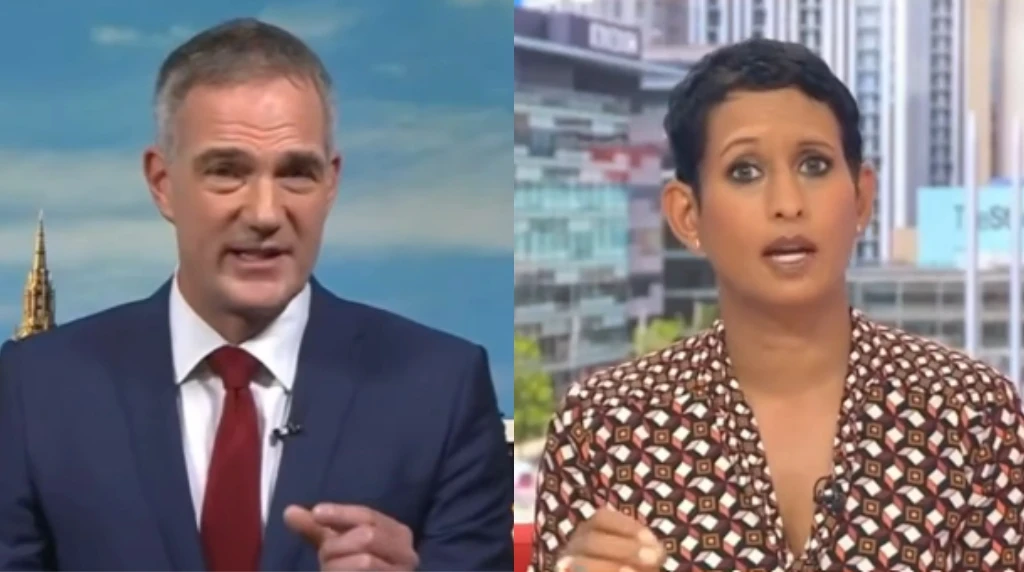
MP Peter Kyle, dispatched as a representative to defend the government’s policy, faced a storm of interviews. On one news program, when Mr. Kyle praised the Defence Investment Plan as “absolutely fantastic” and insisted the government “has worked incredibly hard to perfect it,” the host asked if he had personally seen the plan.
Mr. Kyle admitted: “I haven’t read the whole plan… but I have absolute faith in the Prime Minister and Chancellor Rachel Reeves to fund, design, and lead this plan.” This confession immediately sparked a fierce wave of public criticism. The contrast was glaring: senior military officials who had seen the plan resigned in anger, while the minister who went on air to defend it had never even read the document.
The confrontation continued to escalate on LBC radio during an interview with veteran journalist Nick Ferrari. When Mr. Kyle optimistically declared that the UK economy was “powering ahead” and committed to injecting £270 billion into defence over this term, Nick Ferrari bluntly dismissed it. The host exposed the real figures: the current defence spending level only inched up from 2.6% to 2.68% (a mere 0.08% increase), while the UK economy actually shrank by 0.1% last April, completely contradicting the “powering ahead” claim.
Mr. Kyle continued to defend the government by reiterating the commitment to reach a 3% defence budget by the beginning of the next parliamentary term and 3.5% by 2035. However, Nick Ferrari emphasized that this was “not enough” for the ministers who had just resigned, nor was it enough for Lord Robertson—former NATO Secretary General and former Labour Defence Secretary—as well as numerous military veterans concerned about national security.
Prime Minister Keir Starmer’s Shaky Seat
The turmoil at the Ministry of Defence is seen as the straw that broke the camel’s back, signaling deep instability in Prime Minister Starmer’s leadership. Some political commentators assess that the Prime Minister’s remaining time in office might now only be measured in weeks or months.
All eyes in British politics are currently focused on the upcoming Makerfield by-election. This election is of vital importance, as it opens the door for former Mayor Andy Burnham to return to the House of Commons (Westminster). If this happens, the pressure demanding a leadership change within the Labour Party will erupt, setting the stage for a completely new party leadership election.
While public trust is hitting rock bottom due to conflicting messages from the cabinet, Prime Minister Starmer’s government is racing against time to regain confidence before the dark shadow of an institutional crisis engulfs the entirety of Downing Street.


