
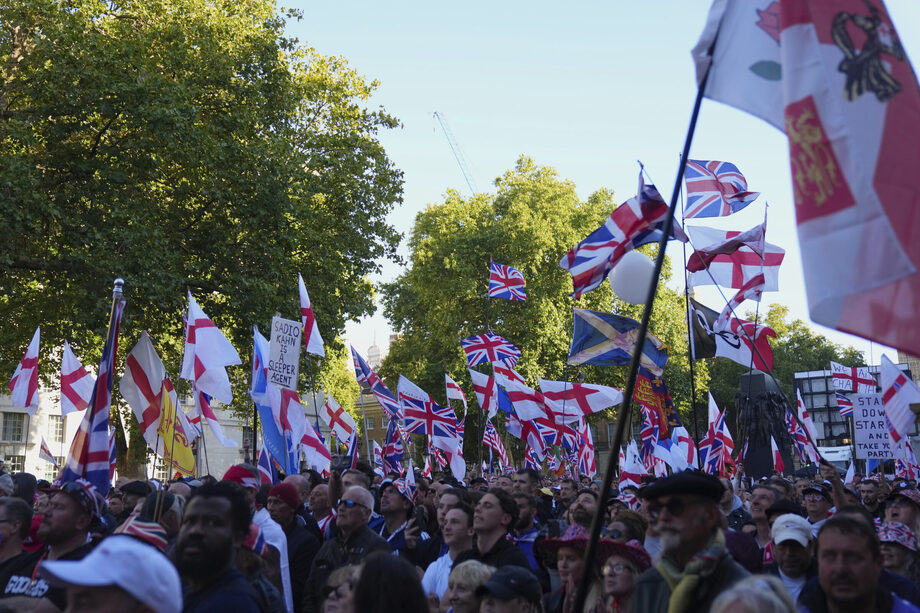
As preparations continue for the upcoming United Kingdom rally scheduled for May 16, attention is increasingly turning toward who might appear on stage and what message the event could send to the British political establishment. Organizers are expecting a significant turnout, and supporters are already drawing comparisons to previous rallies that attracted large crowds and generated substantial media attention across the country.
The event has become a major talking point among activists, commentators, and political observers, particularly because of growing public frustration surrounding issues such as immigration, national identity, economic pressures, and confidence in mainstream political institutions. Whether one agrees with the movement or not, there is little doubt that the rally has become part of a wider conversation about the direction of Britain and the future of its politics.
At the center of the latest discussion is an appeal issued by Tommy Robinson, who has publicly invited several prominent political figures to attend the gathering. His message was directed toward Conservative Party leader Kemi Badenoch, Reform UK leader Nigel Farage, former Reform deputy leader Ben Habib, and independent MP Rupert Lowe.
Robinson framed the invitation as an opportunity for political leaders to engage directly with a large group of people who feel increasingly disconnected from the political establishment. In his statement, he argued that the event is not about any single individual but rather about bringing together people who care about the future of the country.
According to Robinson, the rally represents a movement that extends beyond traditional party politics. He claimed that no individual politician has the ability to unite such a large number of patriotic supporters under one banner and suggested that the event offers a rare chance for political leaders to connect with a segment of the population that often feels ignored.
His message emphasized the idea of putting political rivalries aside in favor of a broader focus on national interests. The phrase “Country First” featured prominently in his appeal, reflecting an attempt to position the event as a gathering centered on shared concerns rather than partisan loyalties.
The invitation immediately sparked debate about whether any of the politicians mentioned would actually attend. Each of the figures named occupies a different position within Britain’s evolving political landscape, and their decisions could carry significant symbolic and political consequences.
Among those invited, Ben Habib is widely viewed by supporters as the most likely attendee. Habib has previously appeared at similar events and has spoken openly about issues such as immigration, sovereignty, and concerns regarding Britain’s political direction. His previous involvement makes another appearance seem plausible to many observers.
Rupert Lowe is another figure whose attendance has generated speculation. Lowe has become increasingly popular among voters who feel dissatisfied with mainstream politics and who are looking for stronger positions on issues such as border security, immigration, and national identity. While there has been no confirmation of his participation, supporters believe he may be open to engaging with the audience the rally is expected to attract.
The situation becomes more complicated when discussing Nigel Farage. As one of the most recognizable political figures in Britain, Farage has built much of his career around challenging establishment politics and speaking to voters who feel overlooked by traditional parties. However, his political brand has also relied on carefully managing public perception and maintaining broad electoral appeal.
For that reason, many commentators question whether Farage would risk attending an event that remains controversial in some sections of the media. While many of the attendees may overlap with Reform UK’s voter base, appearing at the rally could expose him to criticism from political opponents and major news organizations.
Kemi Badenoch faces a similar dilemma, though for different reasons. As leader of the Conservative Party, she is attempting to rebuild support after a difficult period for the Conservatives. While some of the concerns raised by rally supporters may align with issues discussed by Conservative voters, attendance at such an event would undoubtedly attract significant scrutiny.
Supporters of the rally argue that political leaders should not avoid engaging with ordinary citizens simply because an event is controversial. They contend that if politicians truly wish to understand public concerns, they should be willing to meet people directly, regardless of how those gatherings are portrayed in the media.
Critics, however, argue that appearances at politically charged events can carry risks and may be interpreted as endorsements of broader movements or individuals associated with them. This tension highlights the increasingly complex relationship between political leadership, public activism, and media narratives in modern Britain.
One of the recurring themes among rally supporters is the belief that they have been unfairly labeled or dismissed. Many argue that participants are often portrayed as extremists despite viewing themselves as ordinary citizens concerned about the future of their communities and country.
This perception has fueled frustration among some voters who feel their concerns are not being taken seriously. As a result, events like the United Kingdom rally have become gathering points for people who believe mainstream institutions are failing to address issues they consider important.
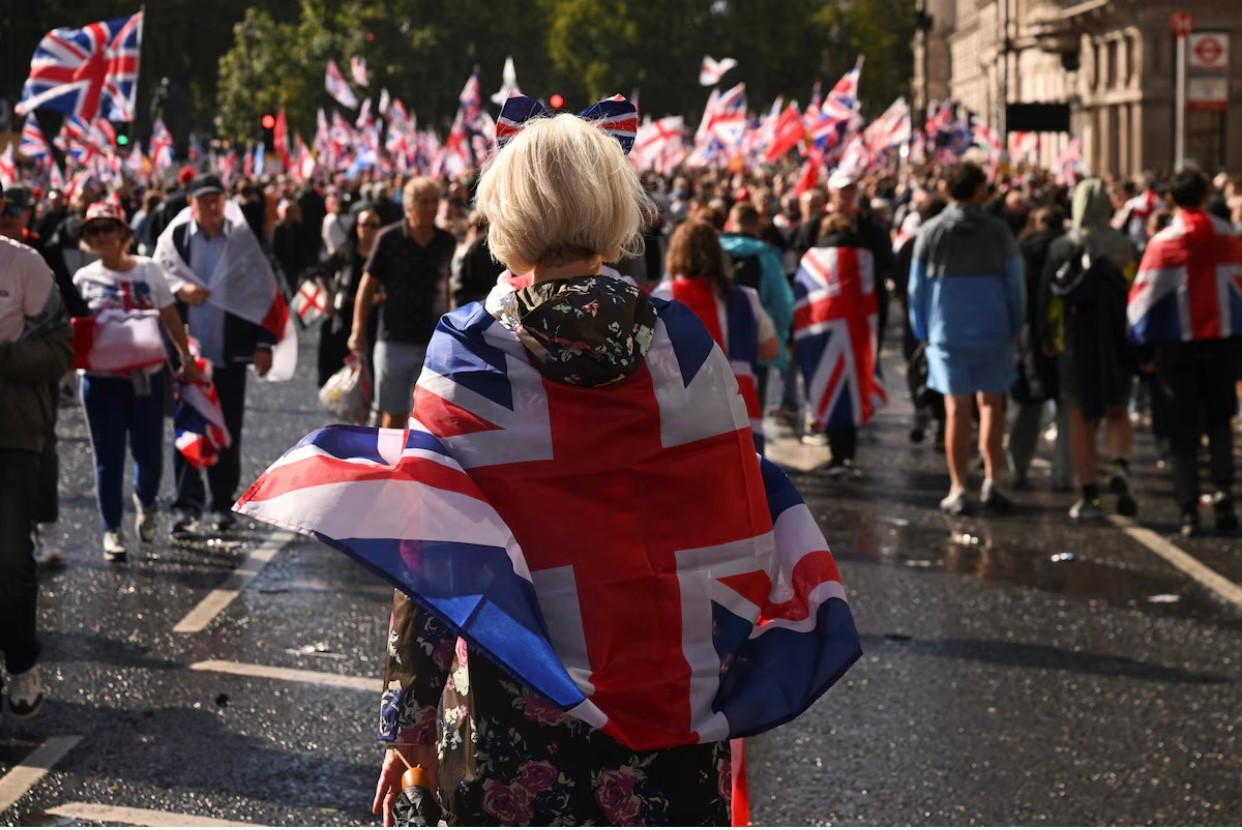
Supporters frequently describe previous rallies as peaceful events attended by families, veterans, workers, and people from a variety of backgrounds. They point to these experiences as evidence that the movement cannot be easily reduced to the labels often applied by critics.
At the same time, opponents argue that such events inevitably become associated with controversial personalities and political messaging, making them difficult to separate from wider debates about nationalism, immigration, and social cohesion. This disagreement over public perception remains one of the defining features of the discussion.
What makes the upcoming rally particularly significant is the broader political context in which it is taking place. Britain is experiencing a period of political realignment, with increasing numbers of voters expressing dissatisfaction with both major parties and exploring alternative political movements.
Issues such as immigration, economic pressures, public services, and national identity continue to dominate political discussions. As these debates intensify, rallies and public demonstrations are increasingly being viewed as indicators of wider public sentiment rather than isolated political events.
For politicians like Farage, Badenoch, Habib, and Lowe, the decision to attend or stay away may reveal much about their political calculations. Appearing at the event could strengthen connections with certain voter groups, while refusing to attend could be interpreted by some supporters as a missed opportunity.
The question facing each invited politician is not simply whether to appear at a rally. It is whether they are prepared to engage directly with a movement that believes it represents a growing section of British public opinion. Their decisions may ultimately say as much about the future of British politics as the rally itself.
As May 16 approaches, anticipation continues to build. Organizers are hoping for a large turnout, supporters are encouraging greater participation, and political observers are watching closely to see whether any major political figures accept the invitation.
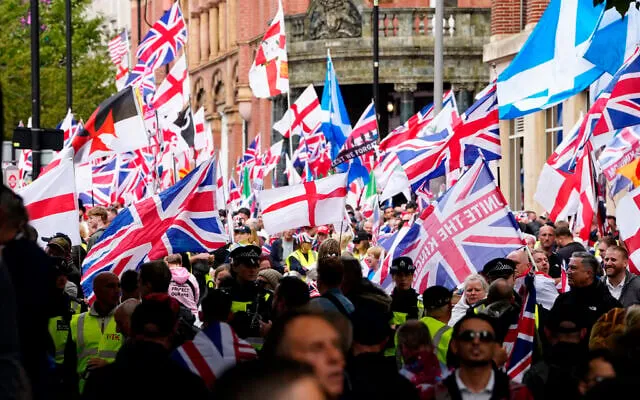
Regardless of who ultimately appears, the event is likely to generate significant attention and contribute to ongoing debates about representation, national identity, and the relationship between political leaders and the citizens they seek to represent. For many participants, the rally is intended to send a simple message: that they want their voices heard and their concerns acknowledged.
Whether Britain’s political class chooses to engage with that message remains one of the most important questions surrounding the event. As the date draws closer, all eyes will be on London to see who shows up, who stays away, and what impact the gathering may have on the wider political conversation.


