
Labour Turmoil Deepens as Clive Lewis Questions Starmer’s Future and Warns of Party Collapse
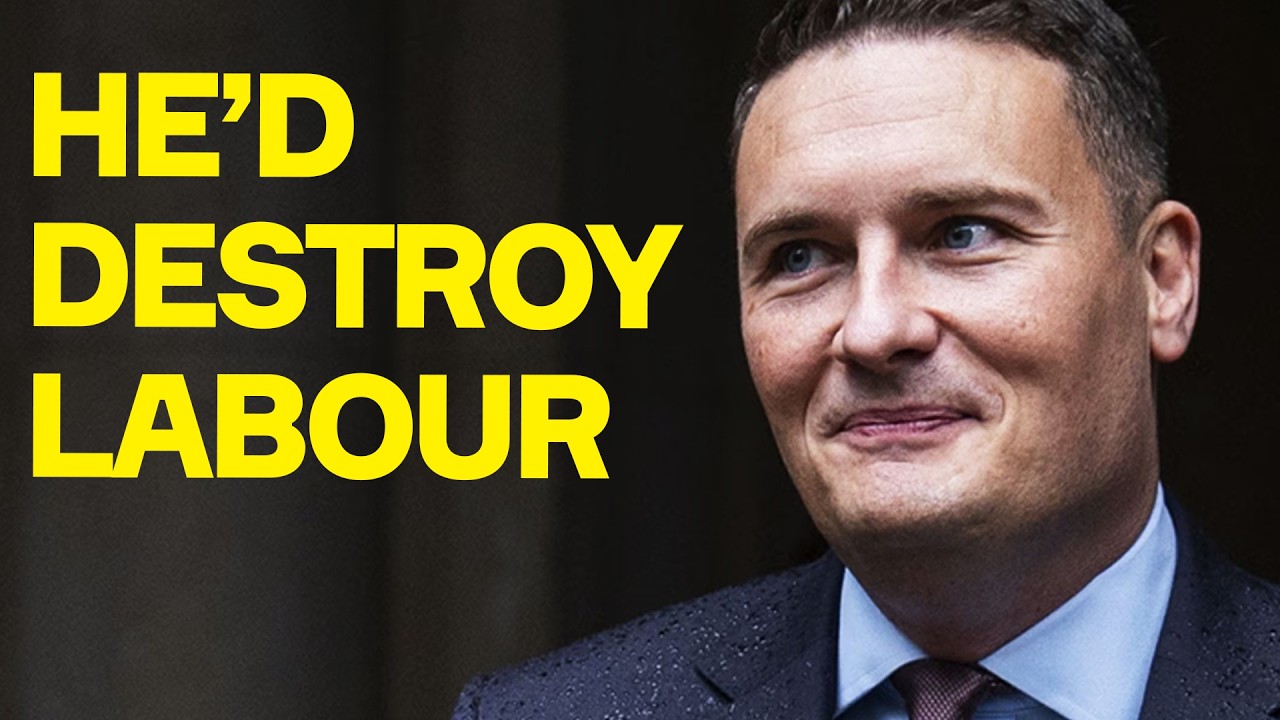
The internal crisis within the UK Labour Party has intensified after senior backbench MP Clive Lewis publicly cast doubt on Prime Minister Keir Starmer’s ability to recover politically, warning that Labour risks electoral collapse and long-term fragmentation unless it changes direction quickly.
Lewis, the Labour MP for Norwich South and a prominent figure on the party’s left, dismissed speculation that he might resign his seat to allow Greater Manchester Mayor Andy Burnham to enter Parliament. The rumour, which spread widely on social media, suggested Lewis had agreed to stand down in order to make way for Burnham, who is widely seen as a potential challenger to Starmer’s leadership.
Lewis denied any truth to the claim, stating that Burnham had not approached him and that no such discussions had taken place. He attributed the rumour to political mischief, describing its origins as baseless.
The episode, however, reflects a growing climate of uncertainty surrounding Starmer’s position following damaging local election results and a renewed debate over whether Labour can maintain its coalition of voters heading into the next general election.
“Another Reset”: Lewis Criticises Starmer’s Speech
Lewis was particularly critical of Starmer’s latest attempt to reframe his premiership, which was reportedly positioned as a major political speech designed to restore momentum after Labour’s disappointing showing in recent local elections.
He described the address as uninspiring and ineffective, arguing that Starmer’s repeated attempts to “reset” his leadership have failed to resonate with the public.
According to Lewis, Starmer has now become the dominant political story himself — not his policies, not his messaging, but his survival.
Lewis suggested that this dynamic means any announcement from Starmer is increasingly ignored, swallowed by what he described as a “black hole” of public disinterest. The Prime Minister’s authority, he implied, has weakened to the point where political messaging no longer carries weight.
Reform Threat and the Fear of a Far-Right Alliance
Despite his sharp criticism of Starmer, Lewis argued that Labour’s internal struggle cannot be separated from what he sees as a growing threat from the political right.
He warned that the UK could be moving toward a scenario in which Reform UK and the Conservative Party cooperate in a “regressive alliance” capable of winning national power. Lewis described such a prospect as more dangerous than a conventional Conservative government, arguing that it could lead to an authoritarian-style administration that reshapes democratic institutions.
He claimed the stakes of the next election could extend beyond party politics, suggesting the future of the judiciary, protest rights, and the broader democratic system could be at risk.
Lewis framed the political moment as one of institutional fragility, arguing that many UK institutions — from public services to democratic culture — have been hollowed out over decades. In his view, this weakening has created the conditions for authoritarian movements to rise.
While he acknowledged that Labour itself has taken increasingly controversial positions on civil liberties and protest, he argued that a Reform-led government would accelerate the erosion of democratic norms.
Greens Surge as Labour Vote Splinters
Lewis’s comments come as the Green Party continues to gain ground in major urban centres. In the projected national vote share, the Greens reportedly surged to second place with around 18%, while Labour suffered setbacks across several key areas.
In Norwich, Lewis’s own constituency, the Greens took control of the council. Similar results were seen in Hastings, while in London boroughs such as Hackney and Lewisham Labour reportedly faced major defeats. The Greens also performed strongly in Manchester, Newcastle, and Sheffield.
Lewis acknowledged that the Greens are now positioned as a serious threat to Labour in urban England, warning that any Labour MP who denies this is “deluded.”
However, he argued that while the Greens are gaining strength, they are not yet capable of building the kind of broad national coalition that Labour historically relied on. Instead, he said, the current situation risks creating a fragmented centre-left vote, which under the UK’s first-past-the-post electoral system could hand victory to a united right-wing bloc.
Lewis suggested that if Labour, the Greens, and other progressive parties split 45–50% of the popular vote between them, the result could be catastrophic — potentially reducing Labour to single-digit support nationally.
Labour’s “Existential” Moment
Lewis described the recent local elections as an “existential” moment for Labour, saying the party is facing a crisis not only of popularity but of political identity.
He argued that many long-standing Labour voters no longer recognise the party. On doorsteps, he said, people complained that Labour has failed to confront vested interests, pursued unpopular policies, and reversed key commitments. These voters, he suggested, are not ideological extremists but ordinary supporters who feel betrayed.
Lewis accused Starmer’s leadership of being built on deception, pointing to the leader’s previous pledges during the leadership campaign which were later abandoned. He described Starmer’s rise as a political project that presented itself as left-leaning to win internal support, before shifting sharply toward the centre-right and purging left-wing factions.
He argued that Labour’s current leadership defines itself largely in opposition to the party’s left, and that this hostility has contributed to mass defections of members and supporters.
Wes Streeting: A “Disaster” Scenario
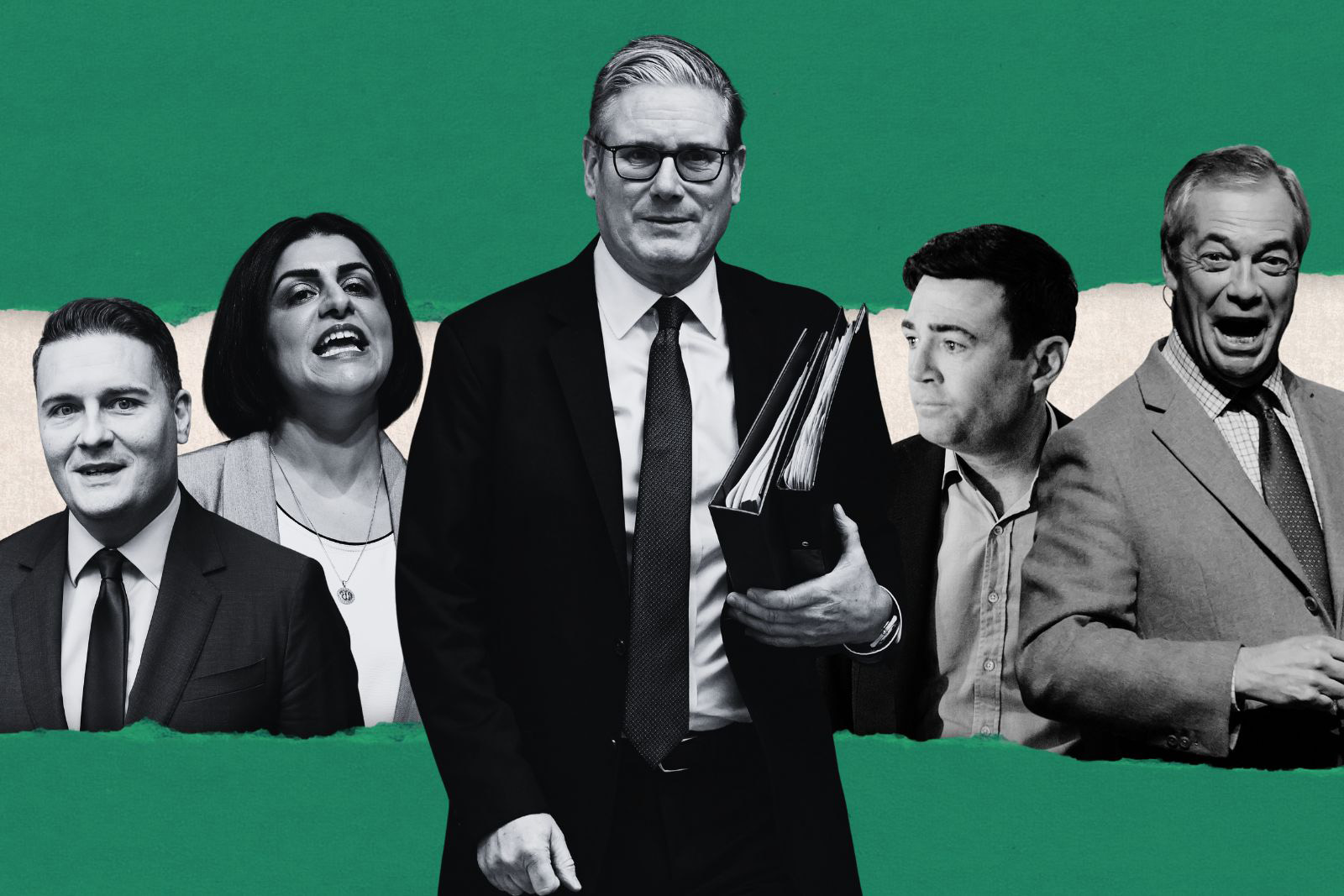
Lewis warned that even if Starmer is replaced, Labour could face an even more damaging outcome if Health Secretary Wes Streeting becomes the next leader.
Streeting is widely viewed as a Blair-aligned figure, closely associated with influential Labour strategist Morgan McSweeney and former minister Peter Mandelson. Lewis suggested that Streeting represents the continuation of the same political project — “new face, same programme” — and argued his leadership could lead to the collapse of Labour’s traditional support base.
He claimed that Streeting’s rise could trigger major trade unions such as Unite to disaffiliate from Labour, potentially followed by other unions. Such a move would represent a historic rupture in the Labour movement and could accelerate the party’s decline.
Lewis suggested that if Streeting became leader, some MPs on Labour’s broad left might be forced to consider drastic options, including defection.
He argued that Streeting would likely push further privatisation within the National Health Service, align more closely with corporate interests, and adopt a political posture that would make cooperation with other progressive parties impossible.
Burnham as the “Least Bad” Option
Lewis said that while he does not view Andy Burnham as a perfect solution, he believes Burnham is Labour’s best available chance to stabilise the party.
Burnham, currently Mayor of Greater Manchester, is not an MP and would require a parliamentary seat to contest the leadership. That would likely involve a Labour MP standing down to trigger a by-election, followed by party approval for Burnham to run.
Lewis acknowledged the significant obstacles involved, including the role of Labour’s National Executive Committee (NEC), which has previously blocked Burnham’s return to Parliament. Burnham was reportedly prevented from standing in a previous by-election contest, a decision that critics argue contributed to Labour’s defeat in that seat.
Lewis suggested that if Starmer resigns, the political landscape inside the party could shift quickly, potentially opening the door for Burnham. He said the NEC would face pressure to allow a transparent leadership transition process, and he indicated that union leaders and party officials have already begun moving in response to the crisis.
He argued that Burnham’s popularity, combined with his record as mayor, could provide Labour with a “breathing space” — time to rebuild credibility and create the conditions for cooperation with other progressive parties, including the Greens and nationalist parties such as the SNP and Plaid Cymru.
Lewis said the broader goal must be to prevent Reform and the Conservatives from forming a powerful electoral alliance capable of winning the next election.
“A Journey to Mordor”: A Grim Political Outlook
Lewis described the effort to replace Starmer and install Burnham as extremely difficult, comparing Labour’s situation to an almost impossible mission.
Using a metaphor from The Lord of the Rings, he said Labour’s internal factions resemble Middle Earth’s divided forces attempting to carry the ring to Mordor, facing overwhelming odds and powerful enemies.
Despite the bleak outlook, he argued that political hope remains necessary. Lewis suggested that Burnham’s leadership would not solve the UK’s deeper crises — including looming economic, ecological, and social instability — but could create the space for a broader political realignment and renewed democratic rebuilding.
He warned that future shocks, including potential food security challenges by 2030, could reshape British politics in unpredictable ways, making the current leadership crisis only one part of a much larger national challenge.
A Party at a Crossroads

Lewis’s remarks highlight a Labour Party facing multiple threats at once: declining support, voter fragmentation, internal leadership instability, and the growing momentum of Reform UK.
While the Prime Minister remains in office, the debate over whether Starmer can survive — and who might replace him — is increasingly dominating political discussion. For Labour MPs and activists, the question may no longer be whether change is needed, but whether the party still has time to deliver it before the next election.


