
Starmer Government Faces Backlash Over Reported “Nightly Social Media Curfew” for Teens
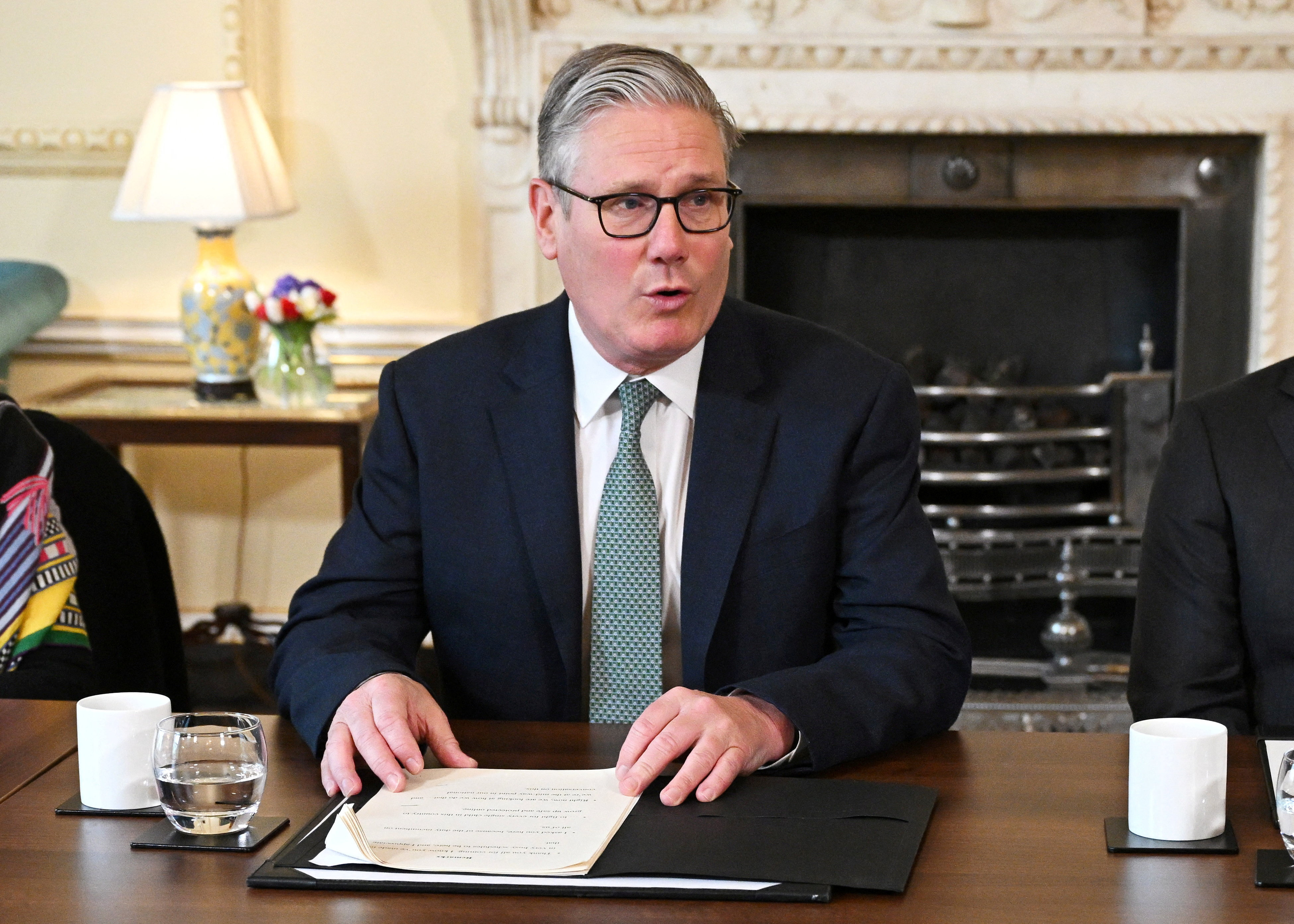
Prime Minister Keir Starmer’s administration is facing intense public and political scrutiny following reports of a planned “nightly social media curfew” targeting 16- and 17-year-olds. The proposed restriction, framed as an extension of broader youth social media regulations, has sparked immediate controversy regarding civil liberties, political indoctrination, and government overreach.
The Proposed Digital Curfew According to emerging details, the government is looking to implement nighttime restrictions on major social media platforms—including TikTok, YouTube, Snapchat, Instagram, X (formerly Twitter), Facebook, and Reddit specifically for older teenagers. Curiously, reports indicate that the platform BlueSky may be exempt from the under-16 bans and subsequent curfews, raising questions about the criteria used to evaluate digital safety.
While the government has historically positioned such policies, including the Online Safety Act, as necessary measures to protect young minds from harmful content, critics are now aggressively questioning the logic and intent behind this latest escalation.
Glaring Contradictions Highlighted by Critics The immediate backlash centers on the stark legal contradictions the curfew would create. Commentators have been quick to point out that 16- and 17-year-olds in the UK possess significant civic and personal responsibilities. They are legally permitted to vote, drive, have sex, and even begin military careers.
Critics argue that deeming a demographic mature enough to elect the government and serve in the armed forces, yet restricting them from accessing Facebook or Instagram “after dark,” is a fundamentally flawed and unenforceable policy.
Accusations of Political Engineering Beyond the practical enforcement of a digital curfew, right-wing commentators and opposition voices are framing the move as part of a wider, more sinister political strategy.
Critics allege that by combining the lowered voting age with strict controls on external media consumption, the Labour government is attempting to isolate the youth demographic. The argument posits that restricting access to alternative viewpoints on social media allows the state to heavily influence young voters through the centralized education system, effectively ensuring a left-leaning voter base for future elections. Furthermore, opponents claim that the Online Safety Act is being weaponized not to protect children, but to monitor free speech and suppress dissent regarding sensitive national issues like immigration.
As the debate intensifies, the government has yet to release a detailed logistical framework explaining how internet service providers or tech companies will enforce a localized digital curfew on millions of young adults.


