
“The Biggest Government Scam?”: Rupert Lowe Ignites Fierce Reckoning Over Britain’s Pandemic Response
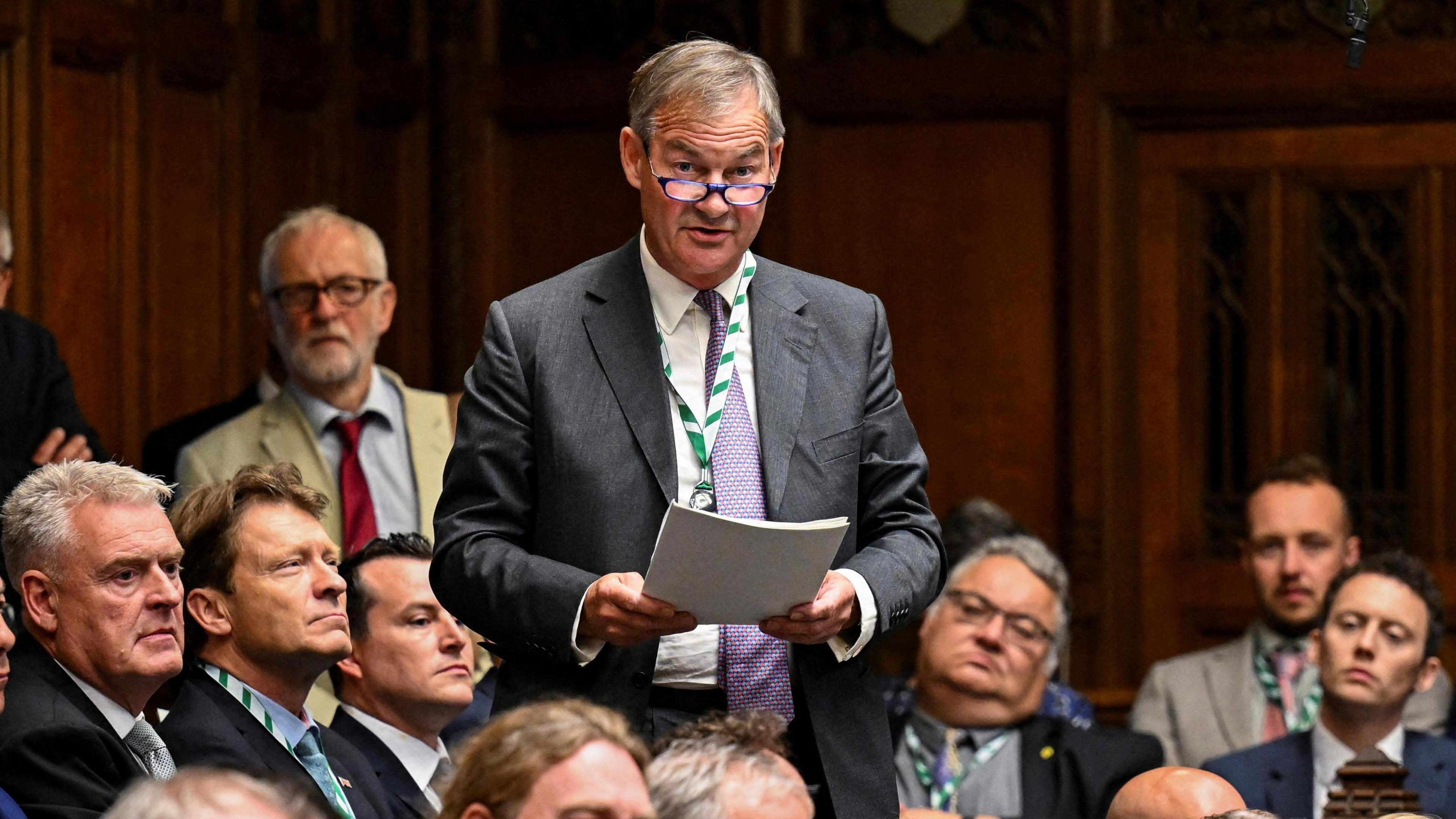
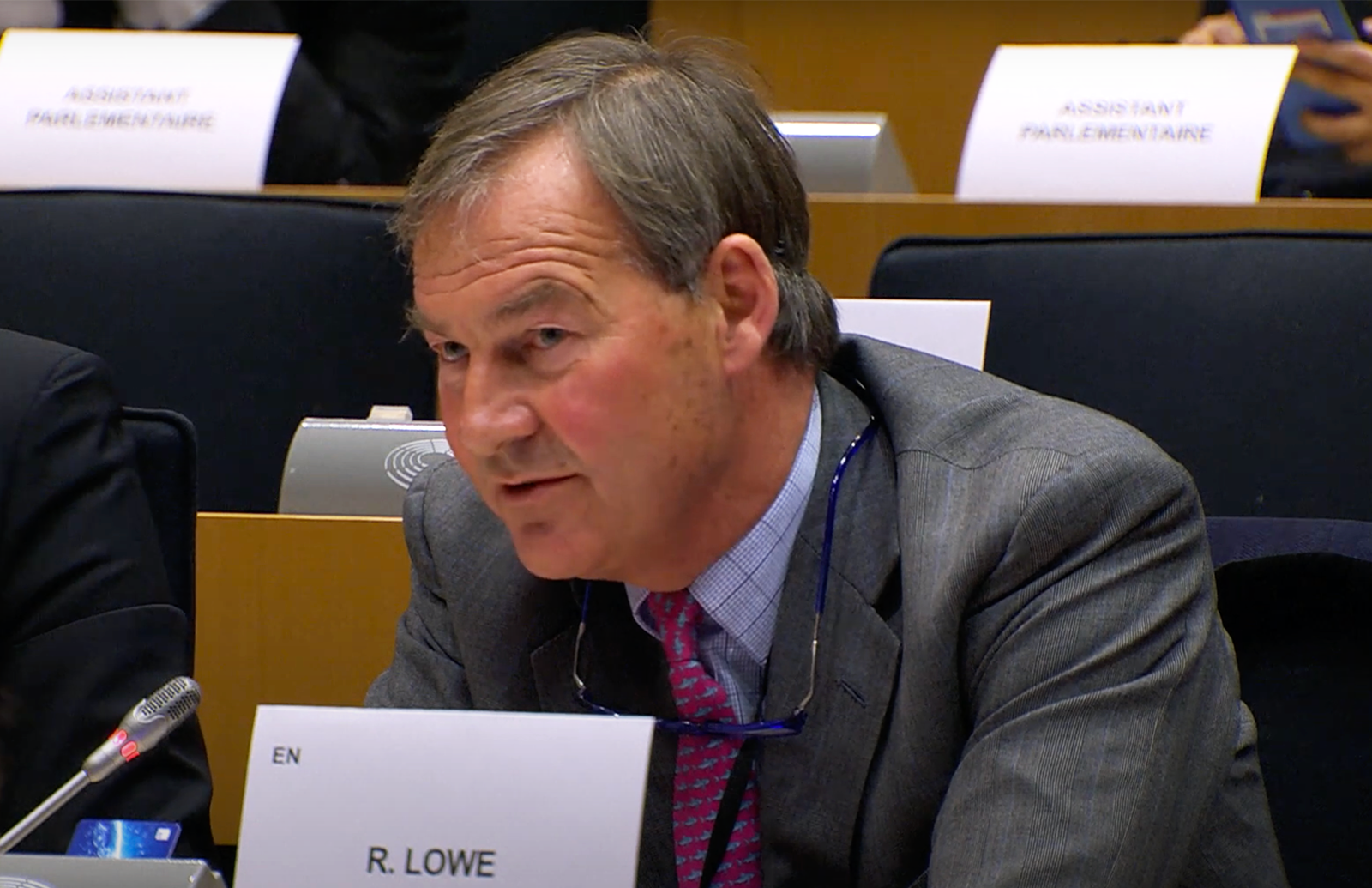
In a speech that has quickly rippled through Britain’s political and media landscape, Rupert Lowe has leveled one of the most explosive accusations yet against the United Kingdom’s pandemic-era leadership, branding its policies not merely misguided but “the biggest government scam in modern history.” The remarks have reignited a volatile national debate—one that blends anger, hindsight, and unresolved questions about power, accountability, and public trust.
Speaking with a bluntness that has become his political signature, Lowe targeted not only elected officials but also the sprawling network of quasi-governmental bodies—often referred to as “quangos”—that shape policy behind the scenes. At the center of his critique was the Medicines and Healthcare products Regulatory Agency, the body responsible for approving and monitoring medical treatments, including vaccines deployed during the crisis.
For Lowe and his समर्थers, the issue is not simply policy failure but structural imbalance. They argue that unelected institutions wielded enormous influence during the pandemic, often without sufficient transparency or democratic oversight. In this telling, decisions that reshaped daily life—from lockdowns to vaccine rollouts—were driven as much by bureaucratic momentum as by scientific consensus.
The most controversial element of Lowe’s argument centers on lockdowns themselves. Introduced in 2020 under then–Prime Minister Boris Johnson, the restrictions were framed as a necessary sacrifice to protect public health and prevent the collapse of the National Health Service. For millions, the message—“stay home, protect the NHS, save lives”—became a defining slogan of the era.
But Lowe’s critique flips that narrative. He contends that the measures inflicted profound and lasting harm: economic devastation for small businesses, mounting healthcare backlogs, and a surge in mental health crises. In his speech, he painted a stark picture of unintended consequences—children missing critical developmental milestones, families separated in moments of grief, and vulnerable individuals left isolated.
Such claims resonate with a segment of the public that experienced the pandemic not only as a health emergency but as a personal and financial catastrophe. Across Britain, countless business owners saw years of work unravel in a matter of weeks. Entire sectors—from hospitality to transport—were effectively frozen, with recovery stretching far beyond the official end of restrictions.
Yet Lowe’s most contentious assertions concern the vaccination campaign. He questions whether a universal approach was necessary and criticizes what he describes as coercive policies, including vaccine certification systems. He argues that individuals should have been given greater autonomy to assess risks, rather than being guided—or pressured—by sweeping national mandates.
Public health experts, however, strongly dispute these conclusions. They point to a vast body of evidence indicating that vaccines significantly reduced severe illness and death, particularly among vulnerable populations. While acknowledging that policies evolved as new data emerged, they maintain that decisions were made under extraordinary uncertainty, with the primary aim of saving lives.
The debate over data transparency has become a focal point. Lowe and others have highlighted reports of adverse reactions, questioning whether the public was given a full and balanced picture. Regulators, including the Medicines and Healthcare products Regulatory Agency, have consistently stated that monitoring systems were robust and that the benefits of vaccination far outweighed the risks.
Still, the tension between individual liberty and collective safety remains unresolved. The pandemic forced governments worldwide to make decisions that would have been unthinkable in ordinary times. In Britain, as elsewhere, those decisions are now being reexamined through the clearer lens of hindsight—often with sharper criticism than was possible in the moment.
Beyond policy specifics, Lowe’s remarks tap into a broader erosion of trust. For many citizens, the crisis exposed what they see as a disconnect between governing institutions and everyday realities. The sense that rules were imposed unevenly—or without sufficient justification—has lingered, fueling skepticism toward future interventions.
At the same time, others warn that framing the pandemic response as a “scam” risks oversimplifying a complex and unprecedented global event. They argue that such language may deepen divisions and undermine confidence in institutions that, despite their flaws, played a critical role in navigating a once-in-a-century emergency.
What is clear is that Britain is entering a period of reckoning. Public inquiries, political campaigns, and personal testimonies are converging to reassess what happened—and why. Figures like Rupert Lowe are helping to shape that conversation, pushing it into more confrontational territory.
For those who lost businesses, opportunities, or loved ones, the debate is not abstract. It is deeply personal, rooted in lived experience and lingering questions about accountability. Whether Lowe’s claims will lead to substantive policy change—or remain part of a broader political narrative—remains uncertain.
But as the country reflects on one of the most disruptive periods in its modern history, one thing is undeniable: the story of the pandemic is far from settled. And the battle over how it is remembered may prove as consequential as the crisis itself.


