
The high-stakes Makerfield by-election is rapidly transforming into a volatile proxy war for the future of the British political right. As Labour’s Andy Burnham campaigns to secure the seat—and potentially a path to 10 Downing Street—a fierce internal battle between Nigel Farage’s Reform UK and Rupert Lowe’s upstart Restore Britain party threatens to split the conservative vote and gift Labour a crucial victory.
The escalating political friction was the focal point of a recent broadcast on TalkTV, highlighting the complex electoral math and deep personal animosities currently fracturing the right-wing electorate.
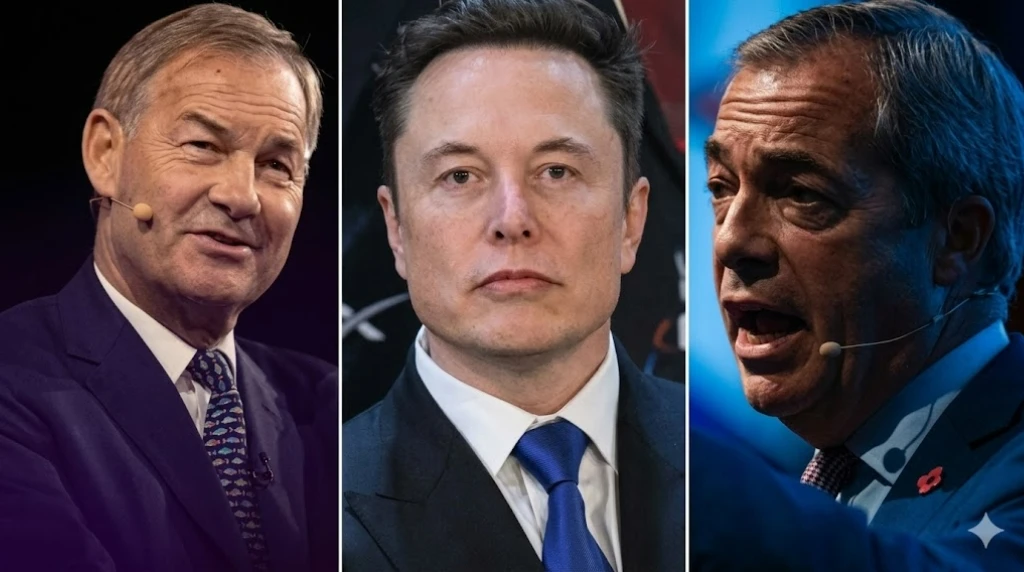
The Makerfield Battleground
Makerfield represents a highly prized demographic for populist politics. The constituency voted 66% in favor of Brexit, and in the most recent local elections on May 7th, Reform UK swept all eight available wards. On paper, the region is a stronghold for Farage’s brand of politics.
However, the political landscape is complicated by the presence of Andy Burnham. Burnham, a high-profile Labour figure and local mayor, is leveraging his regional fame. TalkTV political editor David Wooding noted that Burnham is playing a difficult balancing act: attempting to appeal to the heavily pro-Brexit Makerfield electorate while simultaneously maintaining his viability among the pro-European, left-leaning Labour Party membership in anticipation of a future leadership bid.
Commentators described Burnham as “quite good at flip-flopping,” suggesting the enormity of the task—acting as a local champion while harboring national ambitions—has dawned on his campaign amid early friction with the press.
The Threat of Mutual Destruction: Restore vs. Reform
The greatest threat to a right-wing victory in Makerfield does not come from Labour, but from within. Early polling suggests a tight race between Burnham and the Reform UK candidate, but analysts warn that the presence of Rupert Lowe’s Restore Britain on the ballot could fatally fracture the populist vote.
Lowe, characterized as a charismatic and articulate figure, has recently secured the public backing of billionaire Elon Musk, instantly granting Restore Britain a massive social media footprint and global visibility.
Despite this high-profile endorsement, there is palpable grassroots frustration regarding Lowe’s intervention. During the TalkTV broadcast, a caller named Maria from Gloucester voiced a common critique among Farage loyalists, accusing Lowe of launching Restore Britain out of pure “spite” following a previous, acrimonious split from Farage. She dismissed Lowe as an “angry man” and questioned the purpose of his party, highlighting a deep loyalty to Farage among the core base who view him as the only reliable anti-establishment figure.
Economic Populism: The “Workers vs. Shirkers” Divide
To combat the threat of a split vote and galvanize their working-class base, Reform UK is leaning heavily into radical economic populism.
The broadcast highlighted a major policy proposal from Farage’s camp: abolishing income tax on overtime pay for individuals earning under £75,000 a year. The policy—estimated to save a nurse working extra hours approximately £1,300 annually—is designed to drive a wedge between the working public and what the party terms a “bloated welfare bill.”
Commentators noted that the UK currently spends more on welfare than it collects in income tax. By framing the election as a battle of “workers versus shirkers,” Reform UK is attempting to draw a stark contrast with Labour, portraying themselves as the sole defenders of the private sector against an increasingly expensive public sector and welfare state.
Conclusion
The Makerfield by-election has evolved far beyond a standard regional contest. It is now a critical stress test for the UK’s populist right. If Reform UK and Restore Britain effectively cancel each other out, it will confirm the establishment’s theory that a divided right is mathematically incapable of winning parliamentary power. Conversely, if one faction manages to consolidate the vote, it will crown the undisputed leader of Britain’s anti-establishment movement. As election day approaches, the battle for Makerfield is as much about the survival of Farage and Lowe as it is about defeating Andy Burnham.


