
A surprising conversation exploded online when Tommy Robinson sat down with Russell Brand to discuss mass migration, global elites, and the future of Western societies.
In a riveting clash of ideologies, British activist Tommy Robinson and comedian-turned-commentator Russell Brand engaged in a fiery discussion that spotlighted the escalating tensions surrounding globalism, mass migration, and elite control. Their dialogue, which took place during Robinson’s recent visit to the United States, showcased a surprising camaraderie that defies conventional political boundaries.
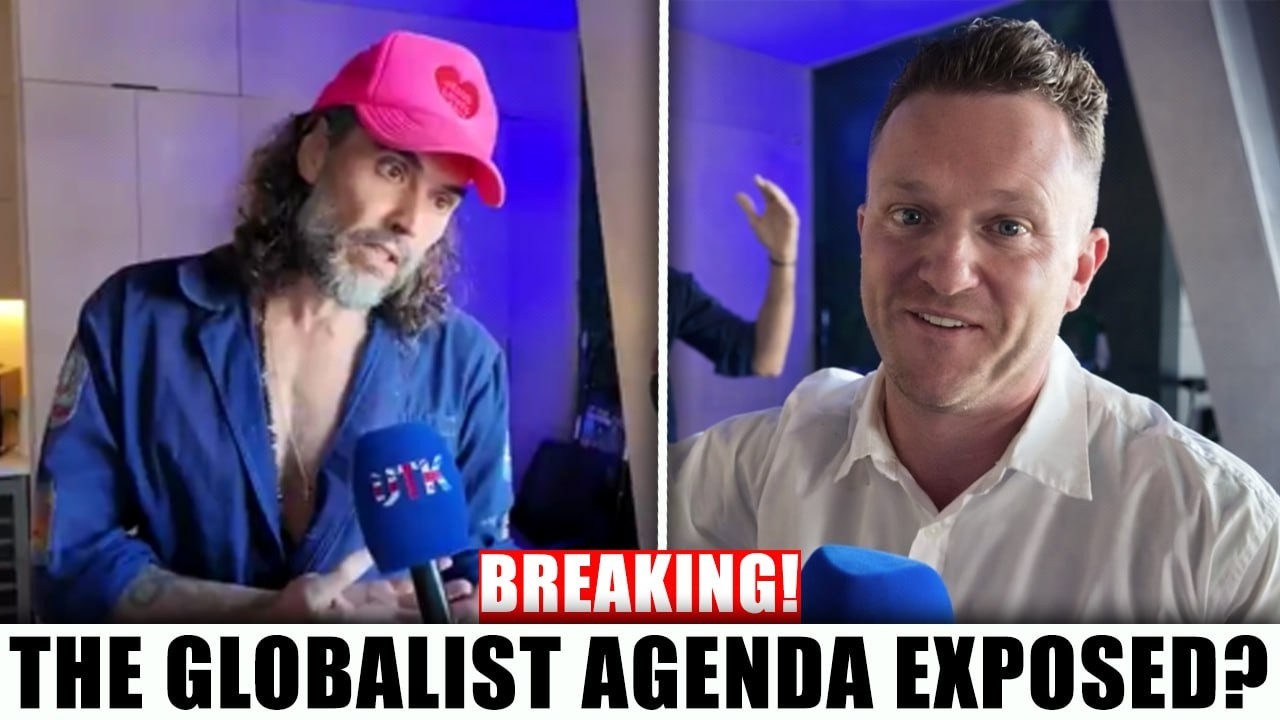
The conversation began with Robinson labeling globalism as the “biggest threat” facing society today, linking it to corporatism and elite bureaucracies that he claims undermine ordinary working people. Brand, who has redefined his public persona in recent years, appeared open to Robinson’s critiques, acknowledging the complexities of their ideological differences while emphasizing the need for dialogue among opposing viewpoints.
As the two figures delved deeper into their discussion, the tone shifted from confrontational to collaborative. Robinson admitted to having previously viewed Brand with skepticism, only to later appreciate his potential to unite diverse communities. This unexpected camaraderie hints at a broader shift in the political landscape, where traditional left-right divisions are increasingly blurred.

Brand’s own journey has seen him transform from a mainstream comedian to a vocal critic of establishment politics, particularly targeting the pharmaceutical industry and media narratives. His willingness to engage with controversial figures like Robinson illustrates a growing trend among alternative media platforms, where diverse voices converge to challenge elite consensus politics.
Throughout their dialogue, the pair tackled issues of mass migration and its impact on societal harmony, a topic that resonates deeply with audiences on both sides of the Atlantic. Robinson’s perspective reflects a populist sentiment that is gaining traction, particularly among those who feel marginalized by globalist policies.
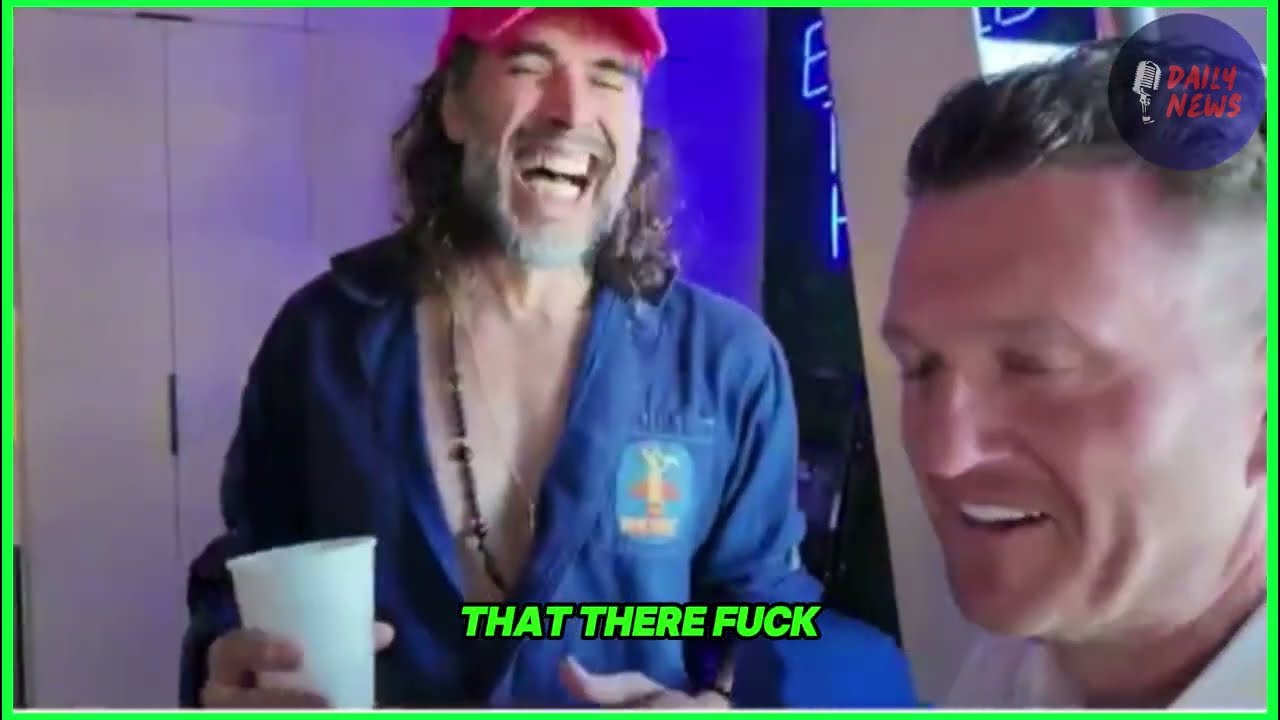
The interview also touched on personal anecdotes, including Brand’s past relationships and his experiences in Hollywood, adding a layer of relatability to their discussion. Both men expressed a desire to foster understanding among disparate communities, signaling a potential shift towards more inclusive political discourse.
As the political climate continues to evolve, this exchange between Robinson and Brand serves as a microcosm of larger societal debates. Their willingness to engage with one another underscores the importance of dialogue in an era increasingly defined by division and polarization.
In a world where traditional media often fails to capture the nuances of complex issues, the rise of alternative platforms offers a new avenue for discourse. The implications of this conversation extend beyond the individuals involved, potentially influencing the broader political narrative as audiences seek out diverse perspectives on pressing global challenges.


